How to Import Pickles from Iran: A Complete Guide for International Buyers
From Supplier Selection to Shipping and Final Delivery
Importing food products from a new country involves much more than finding a competitive price.
For wholesalers, distributors, supermarkets, food service companies, and private label brands, importing Iranian pickles and preserved vegetables requires careful planning across product specifications, supplier selection, quality control, packaging, documentation, logistics, payment arrangements, and destination-market requirements.
Iran has a long history of producing and processing vegetables, pickles, olives, garlic, peppers, and other preserved foods. For international buyers, this creates opportunities to source products such as Iranian cucumber pickles, Persian mixed pickles, pickled garlic, jalapeños, olives, olive slices, grape leaves, and other preserved vegetables.
But a successful import transaction begins with choosing the right supplier and clearly defining the requirements of the order.
Step 1: Define Exactly What You Want to Import
Before contacting an Iranian pickle supplier, an importer should define the product as precisely as possible.
For example, instead of simply requesting:
“Pickles from Iran”
a professional purchasing request may specify:
- Product type
- Cucumber size
- Product formulation
- Taste profile
- Acidity requirements
- Net weight
- Drained weight
- Packaging format
- Units per carton
- Carton dimensions
- Shelf life
- Label requirements
- Target quantity
- Destination country
- Delivery port or warehouse
- Preferred Incoterm
- Private Label requirements
The more precise the specification, the easier it becomes for the supplier to provide an accurate quotation.
Popular Iranian Pickles and Preserved Vegetables for Export
International buyers may source a wide range of preserved food products from Iran.
Common categories include:
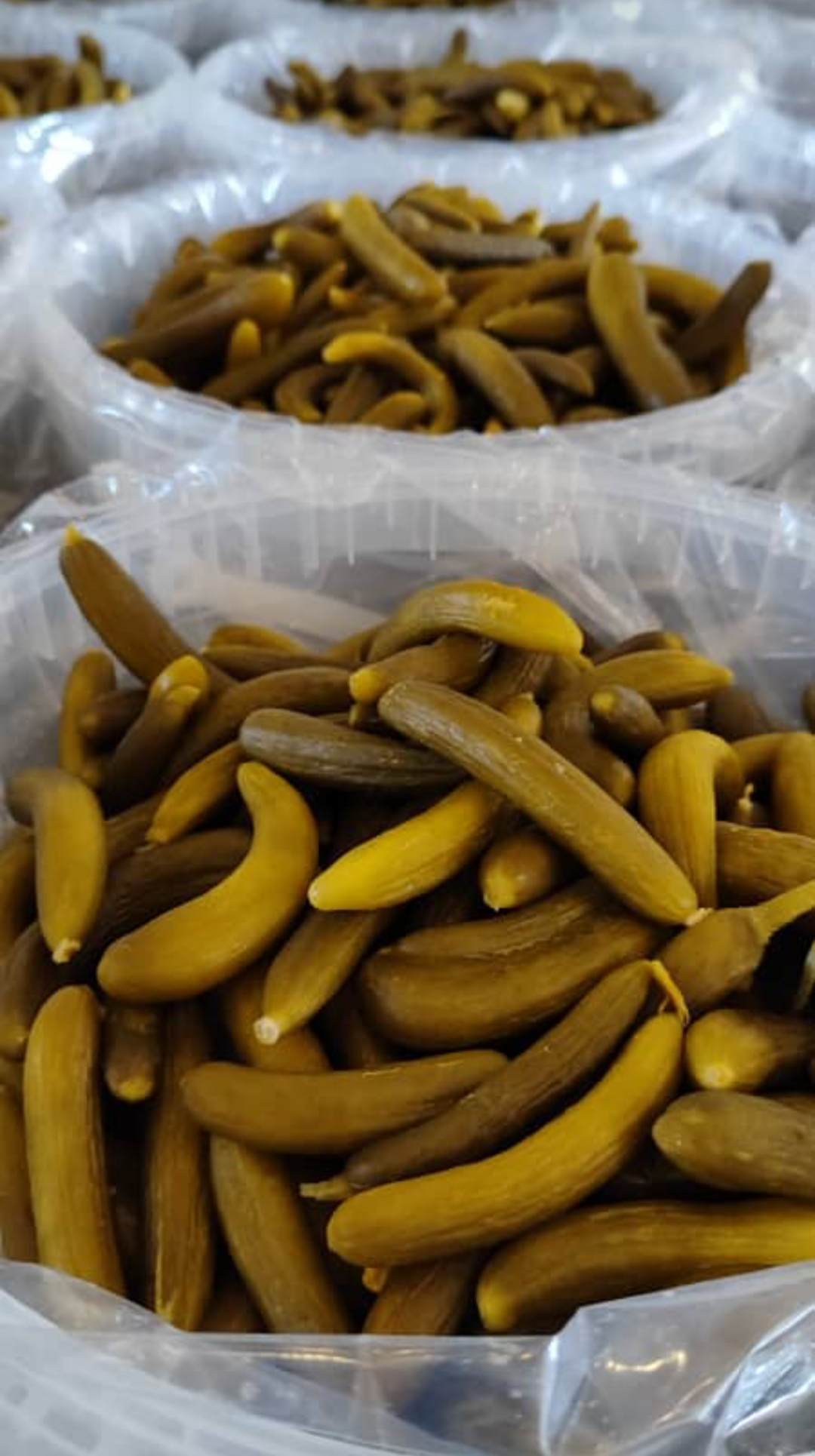
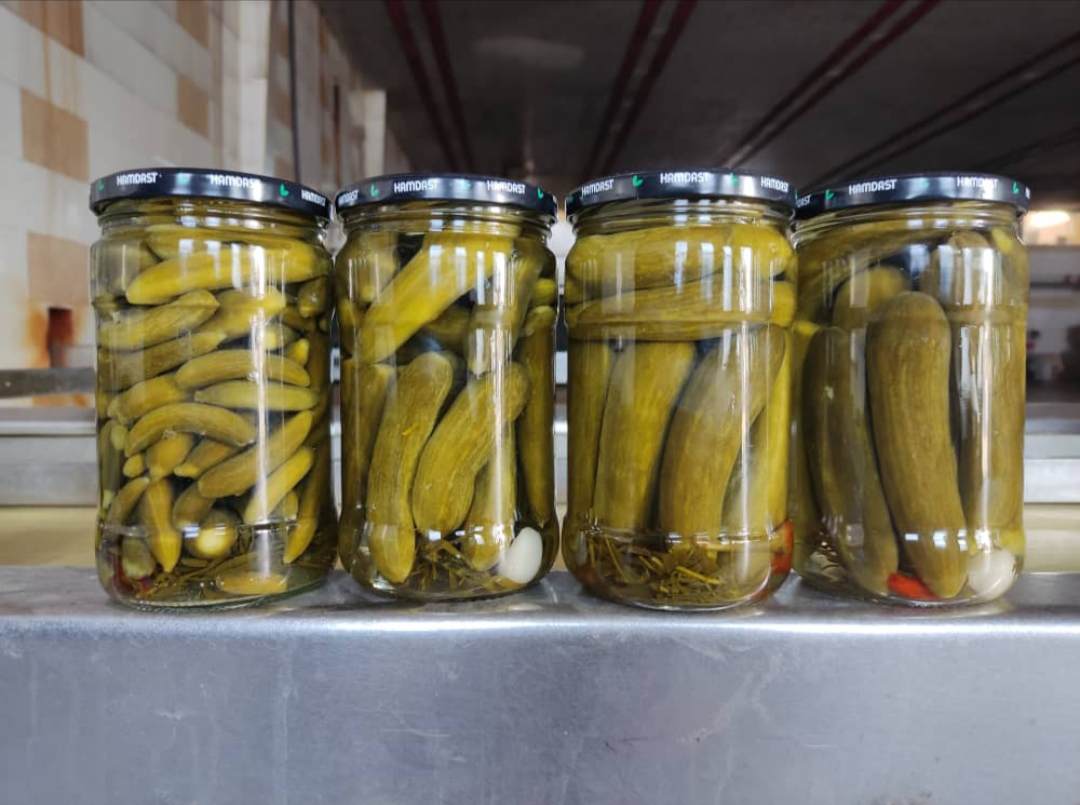
Iranian Cucumber Pickles
Cucumber pickles are among the most recognizable preserved vegetable products and can be supplied in different sizes, recipes, packaging formats, and commercial specifications.
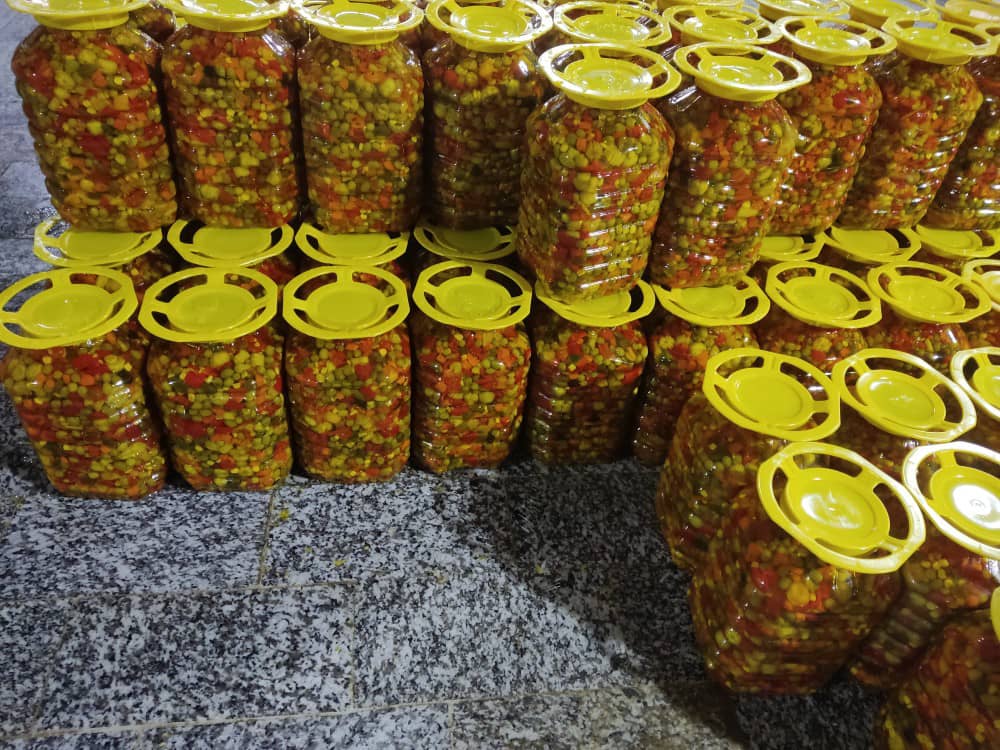
Persian Mixed Pickles
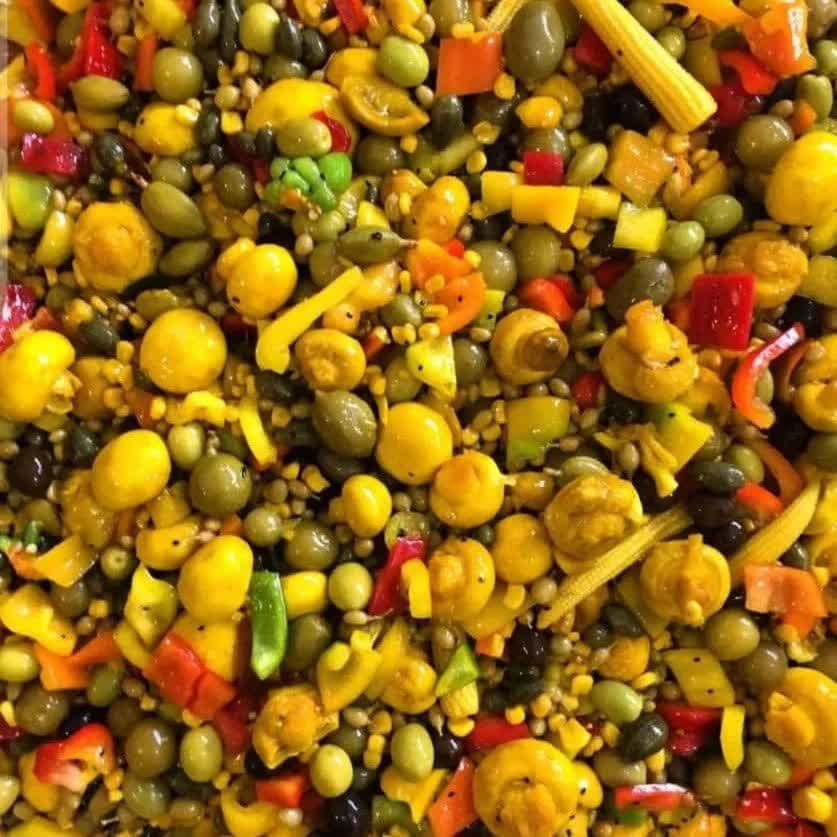
Mixed pickles combine several vegetables and ingredients and can offer international retailers and distributors a differentiated Persian-style product.
Pickled Garlic
Pickled garlic is particularly associated with traditional Iranian food culture and can be offered in different formulations and packaging formats.
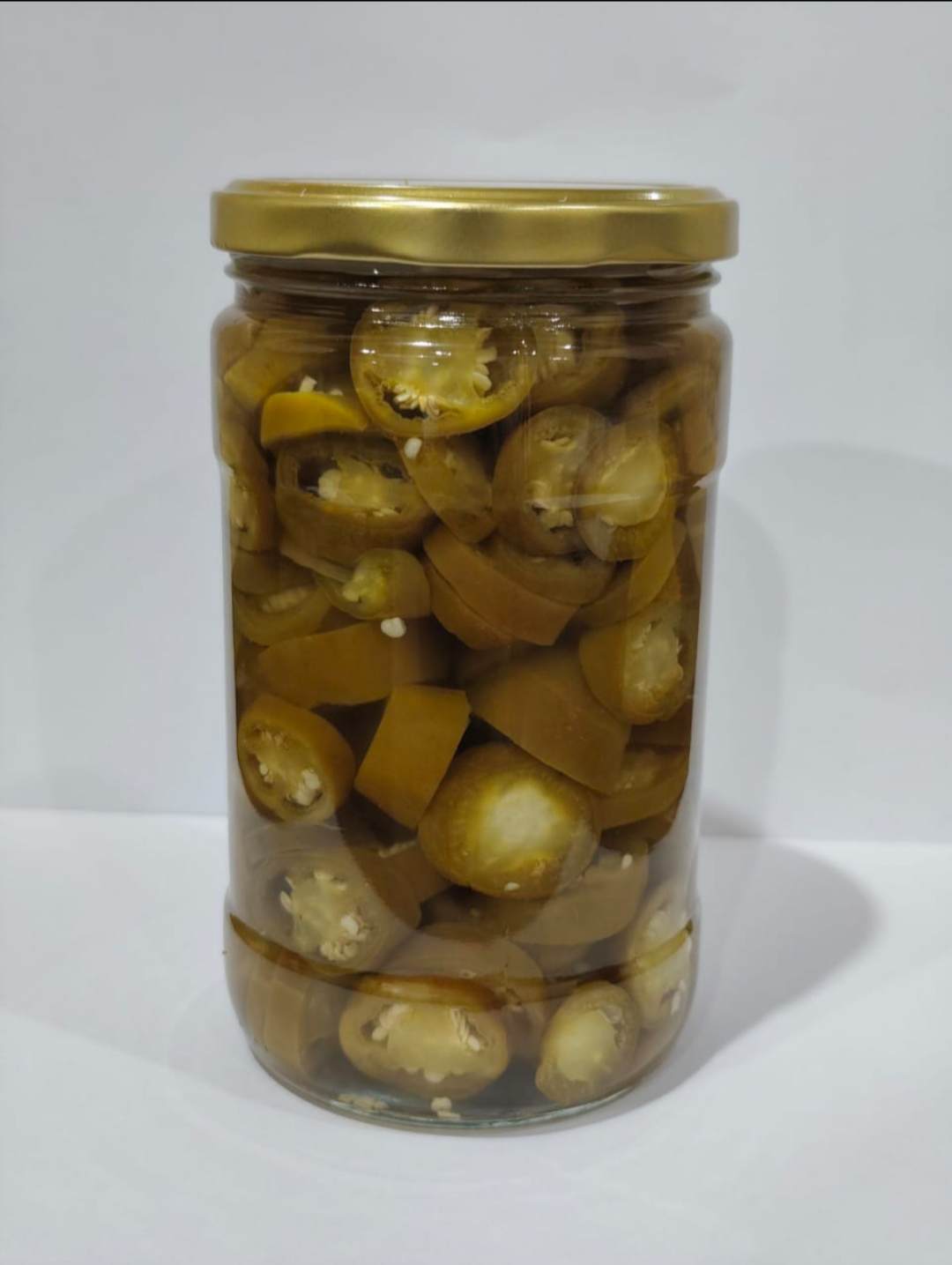
Pickled Jalapeños and Peppers
Pickled peppers can be suitable for retail, food service, restaurants, sandwich businesses, and industrial food applications.
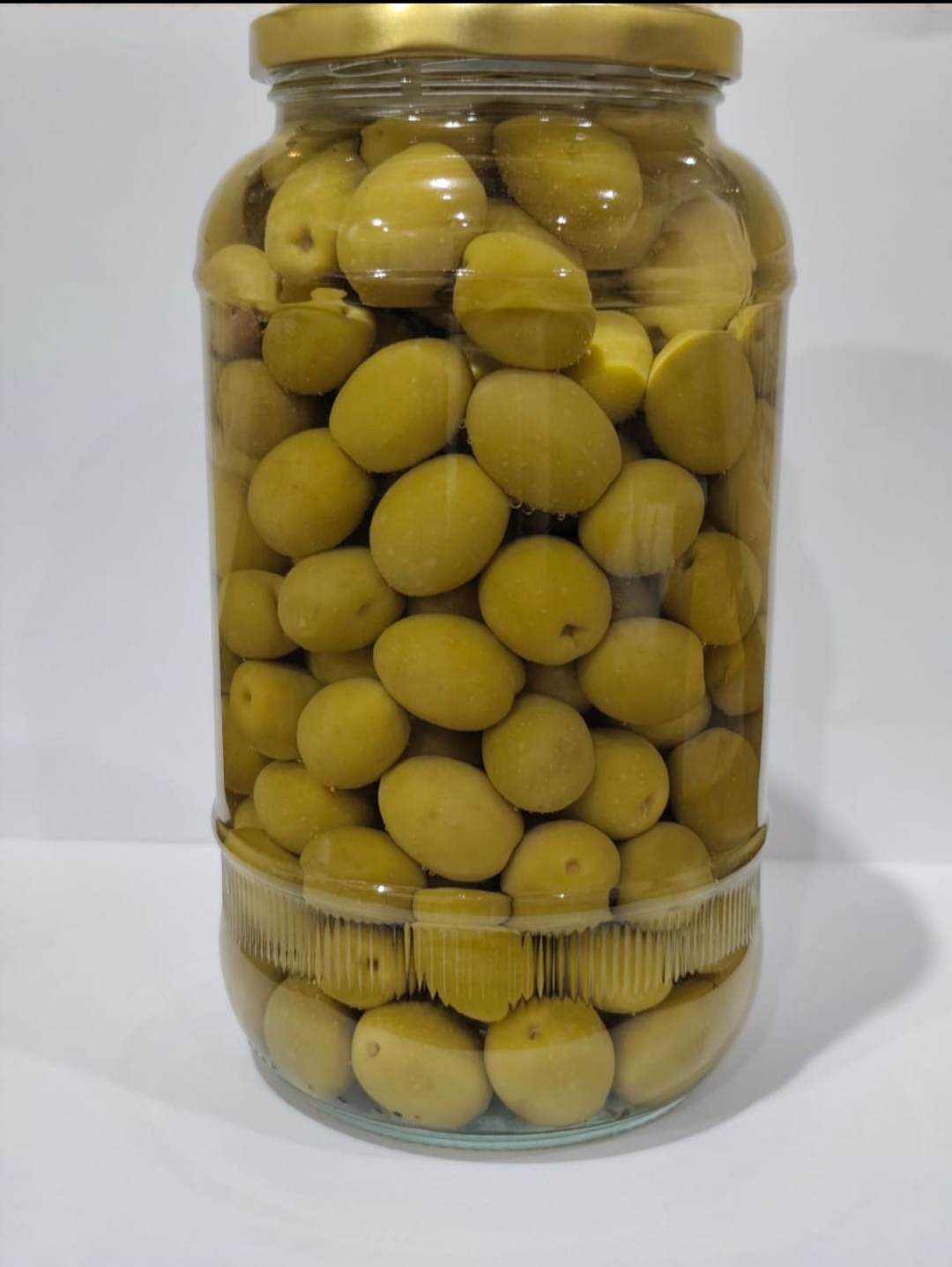
Iranian Olives
Olives and olive-based products can be supplied for retail, wholesale, food service, and food manufacturing applications.
Preserved Vegetables
Depending on the manufacturer, buyers may also source products such as grape leaves and other preserved vegetables.
Step 2: Find a Reliable Iranian Food Supplier
Price should not be the first and only factor when selecting an Iranian pickle supplier.
An importer should evaluate the supplier’s ability to consistently deliver the required product.
Important questions include:
- Does the supplier manufacture the product directly?
- What is the production capacity?
- What packaging formats are available?
- Can the supplier provide samples?
- Can specifications be customized?
- Can Private Label production be supported?
- What is the expected production lead time?
- What export markets has the supplier served?
- Which documents can be provided?
- How does the supplier manage quality control?
- Can the supplier coordinate international logistics?
A supplier capable of answering these questions clearly is generally easier to evaluate than a supplier who only provides a price list.
Step 3: Request Product Samples
For commercial food imports, samples can be an important part of the purchasing process.
A sample allows the buyer to evaluate characteristics such as:
- Taste
- Texture
- Appearance
- Cucumber size
- Ingredient composition
- Packaging
- Label quality
- Brine
- Product consistency
For larger orders, the buyer should establish the specifications that the commercial production must follow after the sample has been approved.
A sample should be treated as the beginning of quality approval, not the end of the purchasing process.
Step 4: Confirm Product Specifications
Once the buyer approves the product, the specifications should be clearly documented.
A product specification may include:
Product Name: Iranian Cucumber Pickles
Packaging: Glass Jar
Net Weight: As agreed
Drained Weight: As agreed
Ingredients: As specified
Shelf Life: As specified by the manufacturer
Storage: According to product requirements
Label: Buyer-approved artwork
Carton Configuration: As agreed
This information helps prevent misunderstandings between the buyer and supplier.
Step 5: Check Food Safety and Documentation
Food imports are subject to the requirements of the destination market.
Depending on the country and product, an importer may need documentation related to:
- Commercial invoice
- Packing list
- Certificate of origin
- Product specifications
- Health or sanitary documentation where applicable
- Laboratory or analysis reports where applicable
- Ingredient information
- Label information
- Batch information
- Other import or regulatory documents
The exact requirements should be confirmed according to the destination country’s current regulations before production and shipment.
The supplier and importer should agree in advance on which documents will be provided and who is responsible for obtaining each document.
Step 6: Make Sure the Label Meets the Destination Market
A label designed for the Iranian domestic market may not automatically satisfy the requirements of another country.
Depending on the destination, the label may need information such as:
- Product name
- Ingredients
- Net quantity
- Drained weight
- Nutrition information
- Production date
- Best-before date
- Lot or batch number
- Storage conditions
- Country of origin
- Manufacturer information
- Importer information
- Barcode
- Required language or languages
For Private Label orders, label approval should take place before mass production.
Changing labels after production can create unnecessary costs and delays.
Step 7: Choose the Right Packaging
Packaging should be selected according to the target market and distribution model.
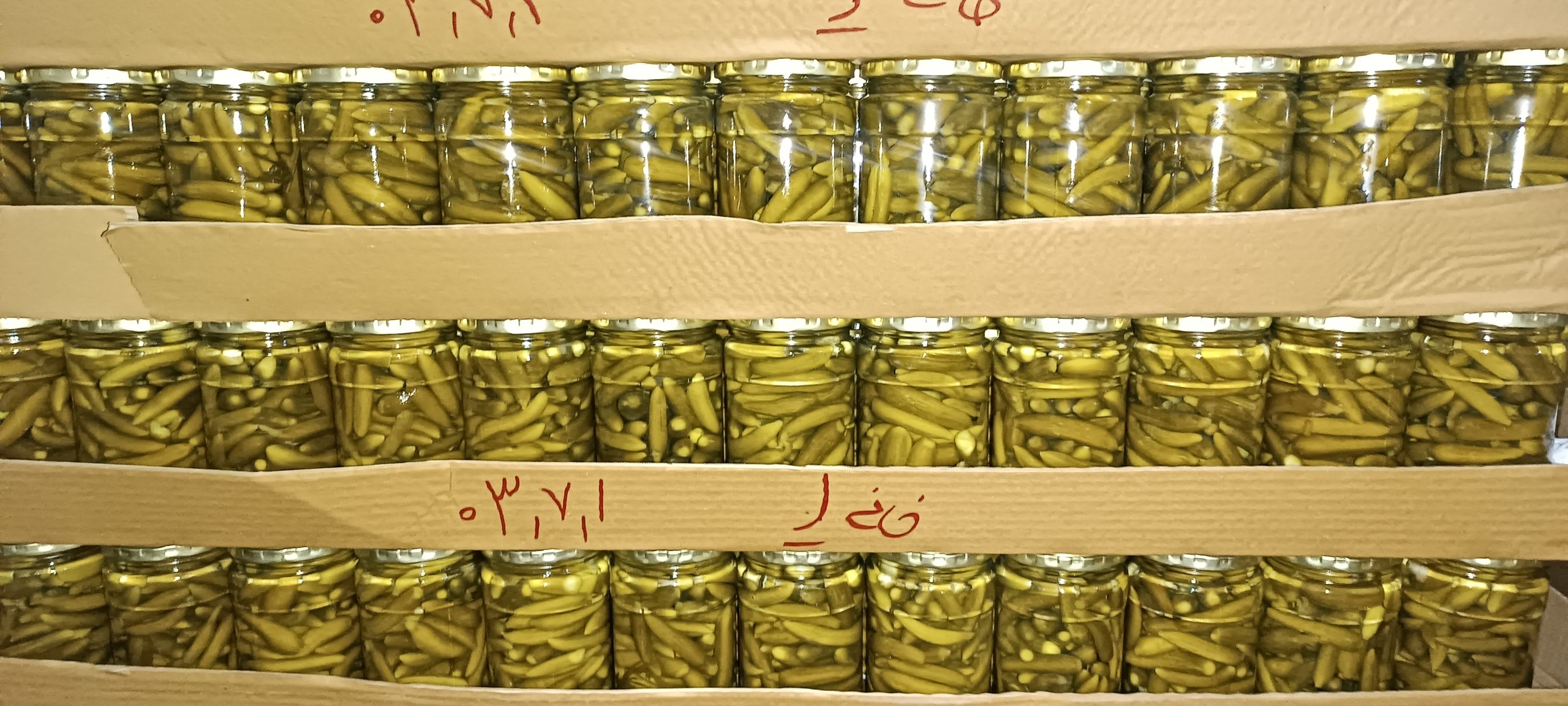
Glass Jars
Suitable for many retail environments and premium supermarket products.
PET Containers
Useful for certain wholesale, food service, and larger-format applications.
Plastic Buckets
Can be suitable for food service, wholesale, and larger-volume distribution.
Metal Cans
May be appropriate for specific products and markets where durable packaging is preferred.
Bulk Packaging
Suitable for certain industrial, food service, or large-scale commercial applications.
The cheapest packaging is not necessarily the most economical option.
An importer should consider the complete cost, including product protection, transportation space, handling, storage, breakage risk, retail presentation, and destination-market requirements.
Step 8: Calculate the Real Landed Cost
A common mistake among new importers is comparing suppliers only by their factory price.
The actual commercial cost can include:
Product Price + Packaging + Inland Transport + Export Handling + Freight + Insurance + Customs/Duties + Destination Charges + Local Delivery
The exact cost structure depends on the agreed Incoterm, destination, transportation method, customs classification, applicable duties, and other transaction-specific factors.
For this reason, an importer should compare suppliers based on landed cost, not simply unit price.
A supplier with a slightly higher factory price may ultimately provide a lower total cost if packaging, loading efficiency, logistics, and documentation are handled more effectively.
Step 9: Select the Right Transportation Method
Iran’s geographical position provides access to different transportation options depending on the destination.
Sea Freight
Generally relevant for larger-volume international shipments and full-container orders.
Road Freight
Particularly important for regional markets accessible through land corridors.
Rail Freight
Can form part of multimodal logistics solutions for suitable destinations and routes.
Air Freight
Generally more expensive and therefore more appropriate for samples, urgent shipments, or specialized requirements rather than large-volume pickle orders.
The best transportation method depends on:
- Destination
- Quantity
- Required delivery time
- Product characteristics
- Packaging
- Freight cost
- Available routes
- Current regulatory and operational conditions
Step 10: Decide on the Appropriate Incoterm
The commercial quotation should clearly state the applicable Incoterm.
Depending on the transaction, the parties may discuss terms such as:
- EXW
- FCA
- FOB
- CFR
- CIF
- Other applicable Incoterms
The selected term determines important responsibilities between the seller and buyer, including transportation arrangements, costs, and risk transfer.
Importers should understand exactly what is included in the quoted price before comparing offers from different suppliers.
A quotation marked only with a price and product name is not enough to accurately compare international suppliers.
Step 11: Understand Payment Terms
Payment terms should be agreed before production begins.
Depending on the transaction and the parties involved, commercial arrangements may include an advance payment followed by a balance payment according to agreed milestones.
The payment structure should be clearly stated in the proforma invoice and commercial agreement.
Because international transactions involving Iran can face specific banking, sanctions, and compliance considerations, both parties should ensure that the chosen payment method is lawful and workable for their respective jurisdictions and financial institutions.
Step 12: Plan Production Before Booking the Shipment
Production and logistics should be coordinated.
The supplier should know:
- Confirmed quantity
- Product specifications
- Packaging specifications
- Label approval
- Required delivery date
- Destination
- Shipping method
- Documentation requirements
The logistics plan should be prepared before the goods are ready to leave the factory.
This reduces the possibility of having finished products waiting unnecessarily for transportation.
Step 13: Check Container Loading
For large orders, container utilization can have a major effect on the final landed cost.
The loading plan may depend on:
- Jar or container dimensions
- Carton size
- Number of units per carton
- Pallet configuration
- Maximum weight
- Stacking limitations
- Product protection
- Container type
For example, two products with identical factory prices may have very different landed costs if one uses significantly more container space.
Professional export planning therefore considers product price and logistics together.
Step 14: Follow the Shipment
International buyers should receive appropriate updates throughout the export process.
Depending on the agreement, communication may cover:
Production → Quality Approval → Packing → Cargo Readiness → Loading → Dispatch → Transit → Arrival
Clear communication becomes especially important when transportation schedules, border conditions, freight availability, or other external circumstances change.
A professional supplier should communicate material changes rather than allowing the buyer to discover them after a delay has already occurred.
How Long Does It Take to Import Pickles from Iran?
There is no single transit time that applies to every Iranian food shipment.
The total timeline depends on:
- Product availability
- Production lead time
- Packaging
- Label approval
- Documentation
- Origin location
- Destination
- Transportation method
- Customs procedures
- Border or port conditions
- Carrier availability
For this reason, buyers should request a shipment-specific estimated timeline rather than relying on a generic number.
Can You Import Private Label Pickles from Iran?
Yes, Private Label production can be an attractive option for international distributors, supermarkets, wholesalers, and food brands.
A Private Label project may include:
- Custom recipe
- Product specifications
- Customized packaging
- Buyer-designed labels
- Barcode
- Carton design
- Product size
- Shelf-life requirements
- Production quantity
- Quality approval
- Destination-market labeling
The earlier these requirements are defined, the easier it becomes to coordinate production and export.
Common Mistakes When Importing Pickles from Iran
Choosing Only Based on Price
The lowest quotation may not represent the lowest total cost.
Ordering Large Quantities Without Testing the Product
A commercial sample and specification approval can reduce unnecessary risk.
Ignoring Packaging During Price Comparison
Packaging directly affects shipping, storage, breakage, and retail presentation.
Leaving Label Approval Until the Last Minute
Incorrect labeling can delay production or create problems at the destination.
Not Defining the Incoterm
Without a clear Incoterm, buyers may misunderstand which costs and responsibilities are included.
Ignoring Destination-Market Requirements
A product manufactured correctly for one market may require additional compliance steps for another.
Treating Logistics as an Afterthought
Transportation should be considered from the beginning of the transaction.
A Practical Checklist for Importing Iranian Pickles
Before confirming an order, an importer should be able to answer the following:
Product
- What exact pickle or preserved vegetable am I buying?
- What are the product specifications?
- What is the shelf life?
- What packaging is required?
Supplier
- Who manufactures the product?
- What is the production capacity?
- Can samples be provided?
- Can specifications remain consistent between batches?
Quality
- What quality controls are performed?
- Which relevant documents or certificates are available?
- How is batch information managed?
Packaging
- What is the net weight?
- What is the drained weight?
- How many units are packed per carton?
- How many cartons fit into a container?
Logistics
- Which transportation method is appropriate?
- What is the origin?
- What is the destination?
- Which Incoterm is being offered?
- Who coordinates freight?
Documentation
- Which export documents will be provided?
- What does the destination country require?
- Does the label meet the destination-market requirements?
Commercial Terms
- What is the quotation validity?
- What are the payment terms?
- What is the minimum order quantity?
- What is the production lead time?
If these questions are answered clearly before production begins, the chances of misunderstandings later in the transaction can be significantly reduced.
Why Importers Choose Iranian Pickles
Iran offers international buyers access to a broad range of agricultural and processed food products.
For pickle and preserved vegetable buyers, the combination of agricultural resources, traditional food knowledge, manufacturing capabilities, product variety, flexible packaging, and geographic access to regional markets creates a potentially attractive sourcing opportunity.
However, successful importing is not based on the country of origin alone.
It depends on finding the right supplier, defining the right specifications, meeting destination-market requirements, and building a reliable supply chain.
From Iranian Factory to International Market
Importing Iranian pickles can be a straightforward commercial process when each stage is properly planned.
Define the Product → Select the Supplier → Approve the Sample → Confirm Specifications → Approve Packaging → Check Documentation → Confirm Commercial Terms → Plan Logistics → Produce → Load → Ship → Import → Distribute
Each stage has its own requirements, and successful international sourcing depends on coordinating them as one complete process.
For wholesalers, distributors, supermarkets, food service companies, and Private Label brands looking for Iranian cucumber pickles, Persian mixed pickles, pickled garlic, jalapeños, olives, and preserved vegetables, the objective should not simply be to find a supplier who can offer a low price.
The objective is to find a supplier who can consistently deliver the right product, in the right packaging, with the right documentation, through a practical logistics solution, and according to the requirements of the destination market.
Start Your Iranian Pickle Sourcing Process
At SHAHANTORSHI, we work with international buyers seeking Iranian pickles, preserved vegetables, olives, and related food products for wholesale, distribution, food service, and Private Label markets.
Every successful export order starts with understanding the buyer’s exact requirements.
The right product, packaging, quantity, specifications, documentation, and logistics solution can then be developed around the needs of the target market.
For international buyers, importing from Iran should not begin with a price. It should begin with a clear specification and a reliable supply plan.